
Understanding Online Casino Licensing
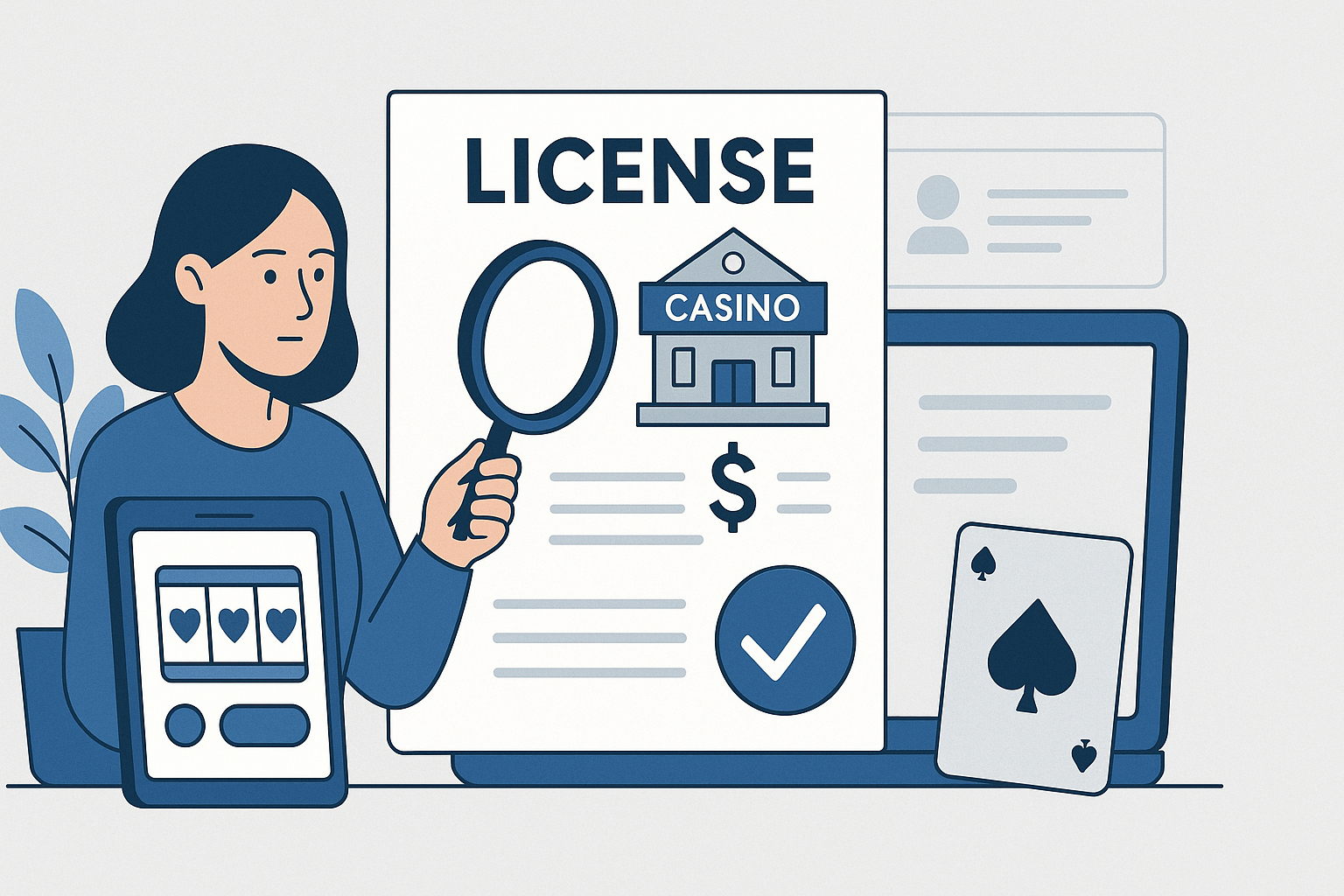
An online casino license serves as proof that a gambling platform operates under regulatory oversight. Reading and verifying this information helps players assess whether a site follows established standards for fairness, security, and responsible gaming. This guide explains what to look for when examining licensing details on casino websites.
Where to Find License Information
Legitimate online casinos typically display their licensing information in the footer of their website. This section usually contains a license number, the name of the issuing authority, and often a clickable seal or logo. Some operators place this information in an "About Us" or "Legal" section instead.
If you cannot locate licensing details after checking these common areas, this absence may indicate the platform operates without proper authorization. Licensed operators are generally required to display this information prominently.
Key Components of a License Display
Licensing Authority Name
The regulator's name identifies which jurisdiction oversees the casino's operations. Different authorities maintain different standards and enforcement practices. Common licensing bodies include the Malta Gaming Authority, the UK Gambling Commission, the Government of Curaçao, and the Gibraltar Regulatory Authority, among others.
License Number
Each license carries a unique identifier. This number allows you to verify the license's validity through the regulator's official database. Without this number, independent verification becomes difficult or impossible.
License Holder Name
The legal entity that holds the license may differ from the casino's brand name. This information clarifies which company bears legal responsibility for the operation.
Issue and Expiry Dates
Some jurisdictions require casinos to display when their license was issued and when it expires. An expired license means the operator no longer holds valid authorization.
How to Verify a License
Visit the Regulator's Official Website
Most licensing authorities maintain public registers where you can search for licensed operators. Navigate to the regulator's official site—not through links on the casino site itself—and locate their license verification tool or register.
Cross-Reference the License Number
Enter the license number shown on the casino site into the regulator's search function. The results should match the casino's details, including the license holder's name and the license status.
Check for Active Status
Verify that the license appears as "active," "valid," or "in good standing." Some registers also indicate if a license has been suspended, revoked, or is under investigation.
Confirm the License Scope
Some licenses authorize specific activities. Check whether the license covers the types of games or services the casino offers. A sports betting license, for example, may not cover casino games.
Red Flags to Watch For
Several warning signs suggest problems with a casino's licensing claims:
- No license information displayed anywhere on the site
- Vague references to being "licensed" without specifying the authority or number
- License numbers that cannot be verified through the stated regulator's database
- Mismatched information between what the casino displays and what appears in official registers
- Claims of licenses from non-existent or unrecognized authorities
- Expired licenses that have not been renewed
Understanding Different Licensing Jurisdictions
Not all gambling licenses carry the same requirements. Some jurisdictions enforce strict standards for player protection, regular audits, and fair gaming practices. Others maintain less rigorous oversight. Researching the reputation and requirements of the licensing authority provides context about the level of regulation the casino operates under.
The regulatory framework varies by jurisdiction in areas such as dispute resolution mechanisms, capital requirements, technical standards, and advertising rules. Players should understand that a license indicates compliance with that specific jurisdiction's rules, which may differ significantly from standards in other regions.
Additional Verification Steps
Look for Third-Party Certifications
Beyond licensing, many casinos display certifications from testing agencies that audit their random number generators and payout percentages. Organizations like eCOGRA, iTech Labs, or GLI provide independent verification of fair gaming practices.
Review the Terms and Conditions
The terms should reference the licensing authority and include details about the legal entity operating the casino. Inconsistencies between the license information and the terms may warrant further investigation.
Check for Secure Connections
While not directly related to licensing, a valid SSL certificate (indicated by "https" and a padlock icon in your browser) demonstrates basic security practices that complement proper licensing.
Your Responsibilities as a Player
Verifying an online casino's license represents just one aspect of responsible gambling behavior. Players should also:
- Confirm they are legally permitted to gamble online in their location
- Understand the risks associated with gambling activities
- Set personal limits on time and money spent
- Recognize that gambling should be entertainment, not a source of income
- Seek help if gambling becomes problematic
Many jurisdictions restrict or prohibit online gambling entirely. The presence of a license in one jurisdiction does not make it legal for residents of another jurisdiction to use that casino. Each person must ensure their participation complies with local laws.
Conclusion
Reading an online casino license correctly involves identifying where the information appears, understanding what each component means, and taking steps to verify its authenticity through official channels. This process helps players make informed decisions about where they choose to spend their time and money. Remember that proper licensing represents a baseline requirement, not a guarantee of quality or personal success.