
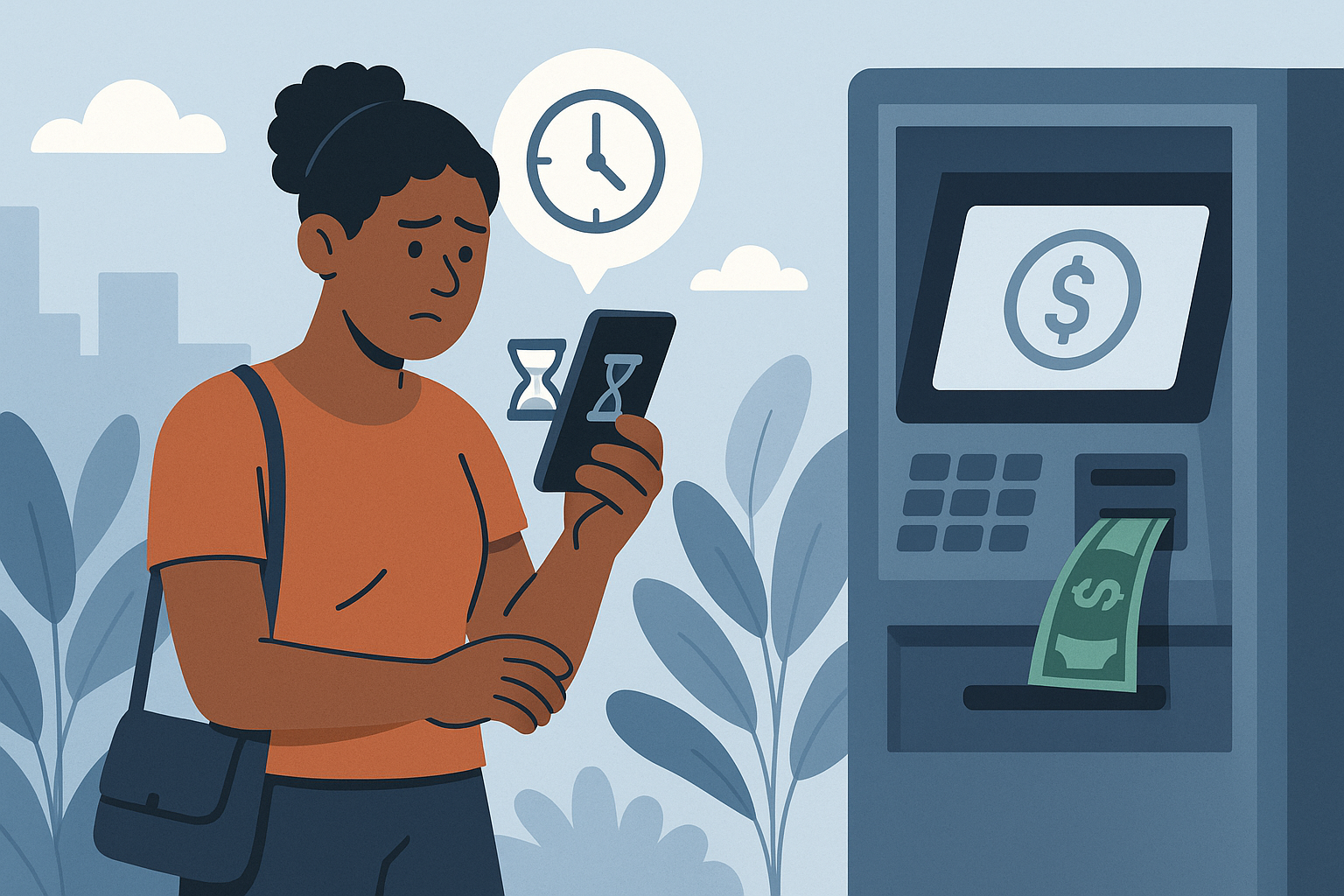
Understanding Mobile Money Withdrawal Delays
Mobile money services have transformed financial transactions across many regions, offering convenient access to digital funds without requiring traditional bank accounts. While these platforms generally process withdrawals quickly, users occasionally experience delays that can range from a few hours to several days. Understanding the factors behind these delays helps users set realistic expectations and take appropriate action when needed.
Common Reasons for Delayed Mobile Money Withdrawals
Network Congestion and Technical Issues
Mobile money platforms rely on telecommunications infrastructure and digital systems to process transactions. During peak usage periods—such as paydays, weekends, or major holidays—the volume of simultaneous transactions can strain network capacity. This congestion may slow down processing times as the system handles requests sequentially. Additionally, scheduled maintenance, software updates, or unexpected technical glitches can temporarily interrupt service or create backlogs that take time to clear.
Agent Liquidity Constraints
Mobile money withdrawals through physical agents depend on those agents having sufficient cash on hand. In areas with high withdrawal demand or limited agent networks, individual agents may run out of physical currency. This is particularly common in rural locations or during periods when many people are simultaneously withdrawing funds. When an agent lacks liquidity, users must either wait for the agent to restock or travel to another location, both of which contribute to perceived delays.
Verification and Security Protocols
Mobile money providers implement security measures to protect users from fraud and unauthorized access. Certain transactions trigger additional verification steps, especially those involving:
- First-time withdrawals from a new account
- Unusually large amounts compared to typical transaction patterns
- Withdrawals from recently funded accounts
- Activity from new devices or locations
These security checks may require manual review by the provider's team, extending processing time from minutes to hours or even days. While inconvenient, these measures help prevent theft and protect user funds.
Regulatory Compliance Requirements
Financial regulations in many jurisdictions require mobile money operators to comply with anti-money laundering (AML) and know-your-customer (KYC) requirements. Transactions above certain thresholds may undergo additional scrutiny to ensure compliance with local laws. Regulatory reporting obligations can add processing time, particularly for cross-border transactions or when users have not fully completed identity verification procedures.
Interoperability and Cross-Platform Transfers
When withdrawing funds that originated from a different mobile money network, bank account, or international service, the transaction may need to pass through multiple intermediary systems. Each system adds processing time, and discrepancies in data formats or communication protocols between platforms can create additional delays. These interoperability challenges are gradually improving as standards develop, but remain a source of friction in some markets.
Steps to Take When Experiencing Withdrawal Delays
Check Transaction Status
Most mobile money platforms provide transaction history within their application or via USSD codes. Review your transaction record to confirm that the withdrawal request was successfully submitted and note any status messages. Some platforms distinguish between "pending," "processing," and "completed" states, which can indicate where the delay is occurring.
Verify Account Details
Ensure that your account information is complete and up to date. Incomplete KYC documentation, outdated phone numbers, or expired identification documents can trigger holds on transactions. Completing any outstanding verification requirements may resolve persistent delays.
Contact Customer Support
If a withdrawal remains pending beyond the provider's stated processing time, contact their customer service team through official channels. Have your transaction reference number, account details, and the date and time of the withdrawal request ready. Document all communication for your records.
Report to Regulatory Authorities
In cases where the provider fails to resolve the issue within a reasonable timeframe or does not respond to inquiries, users may escalate complaints to the relevant financial regulatory authority in their jurisdiction. Most countries with established mobile money markets have designated agencies that oversee digital financial services.
Preventive Measures for Smoother Withdrawals
Users can minimize the likelihood of experiencing delays by taking several proactive steps. Maintaining complete and current account verification reduces the chance of security holds. Planning withdrawals during off-peak hours when network traffic is lighter may result in faster processing. Building relationships with multiple trusted agents provides alternatives when one location experiences liquidity issues.
Keeping modest balances across multiple withdrawal methods—such as maintaining both mobile money and traditional bank access—provides flexibility during unexpected delays. Users should also familiarize themselves with their provider's stated processing times and fee structures for different transaction types.
The Importance of Personal Responsibility
While mobile money platforms work to improve service reliability, users bear responsibility for understanding how these systems function and the limitations they may encounter. Reading terms of service, staying informed about scheduled maintenance windows, and maintaining proper documentation protects your interests. Never share account credentials or PIN codes with others, as this compromises security and may complicate resolution of any issues.
Mobile money withdrawal delays, while frustrating, often result from legitimate operational, technical, or regulatory factors rather than malfeasance. By understanding these causes and knowing appropriate response steps, users can navigate occasional delays more effectively while benefiting from the convenience these platforms provide.