
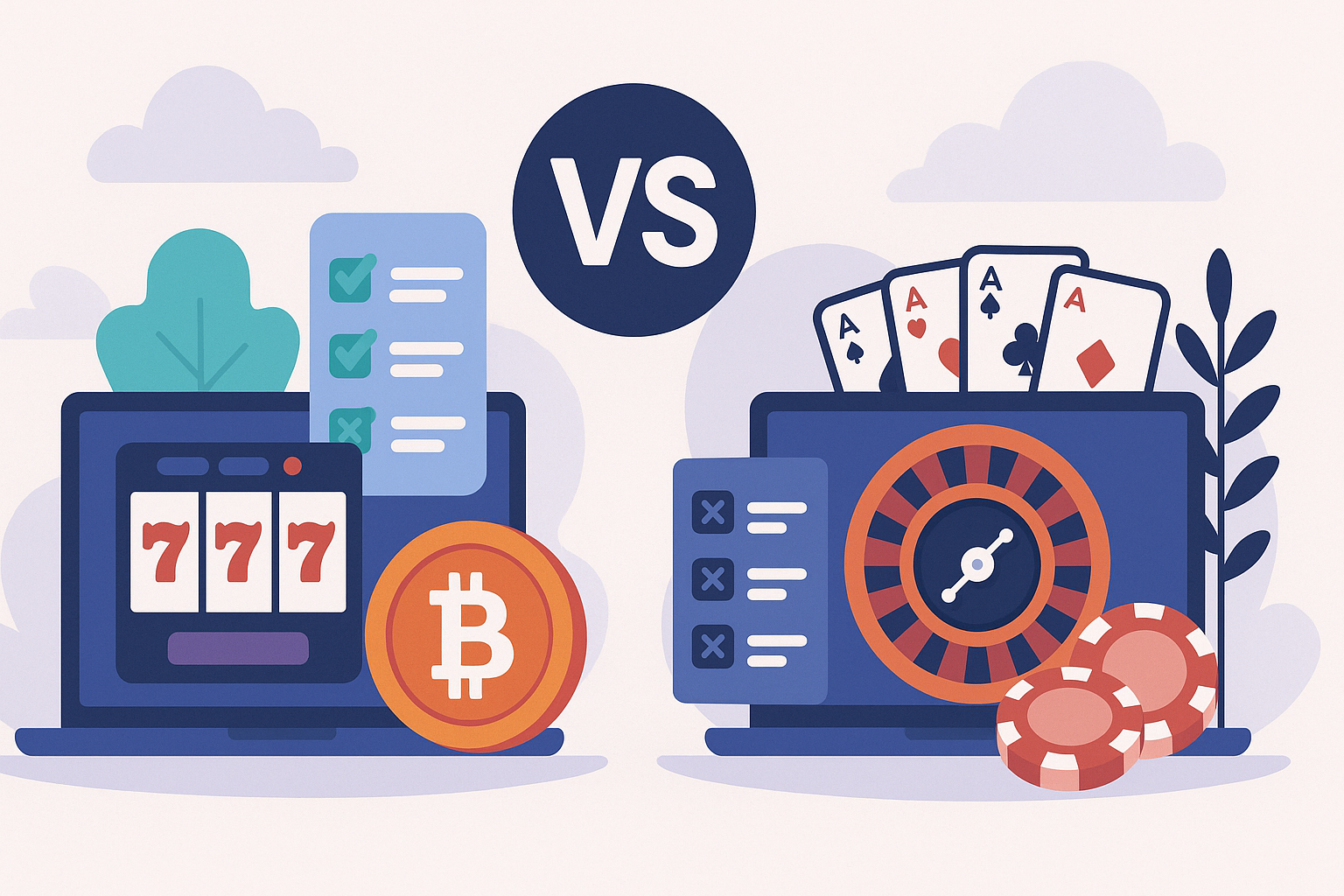
Understanding the Key Differences
The online gambling landscape has evolved significantly with the emergence of cryptocurrency-based casinos alongside traditional online platforms. Each type offers distinct characteristics that appeal to different player preferences. Understanding the fundamental differences between crypto casinos and traditional online casinos helps potential users make informed decisions based on their priorities regarding payment methods, privacy, and regulatory frameworks.
Traditional online casinos operate using fiat currencies such as dollars, euros, or pounds, processing transactions through conventional banking methods. Crypto casinos accept cryptocurrencies like Bitcoin, Ethereum, or other digital assets as their primary or exclusive payment option. This fundamental distinction influences various aspects of the user experience, from transaction speed to verification requirements.
Advantages of Crypto Casinos
Transaction Speed and Efficiency
Crypto casinos typically process deposits and withdrawals faster than traditional platforms. Cryptocurrency transactions can complete within minutes or hours, depending on network congestion, rather than the several business days often required for bank transfers or card withdrawals. This speed advantage becomes particularly noticeable for international transactions, which bypass traditional banking intermediaries.
Privacy and Anonymity
Many crypto casinos require minimal personal information during registration, sometimes operating with only an email address or wallet connection. This reduced identification process contrasts sharply with traditional casinos that must collect extensive personal details for regulatory compliance. Users seeking greater privacy in their gambling activities may find this aspect appealing, though they should verify the specific requirements of individual platforms.
Lower Transaction Fees
Cryptocurrency transactions often incur lower processing fees compared to traditional payment methods. Traditional casinos may charge fees for credit card deposits, wire transfers, or currency conversions. Crypto transactions eliminate many intermediary costs, though users should account for network fees associated with blockchain transactions, which can vary based on network activity.
Global Accessibility
Cryptocurrencies operate across borders without currency conversion requirements. Players from different countries can participate using the same cryptocurrency, avoiding exchange rate fluctuations and international transaction restrictions that sometimes complicate traditional online gambling.
Advantages of Traditional Online Casinos
Regulatory Oversight and Consumer Protection
Traditional online casinos typically operate under established gambling licenses from recognized jurisdictions such as the UK, Malta, or Gibraltar. These regulatory frameworks provide consumer protections, including dispute resolution mechanisms, fair gaming audits, and responsible gambling tools. Licensed operators must meet specific standards for game fairness, financial stability, and player fund security.
Established Reputation and Trust
Many traditional online casinos have operated for years or decades, building track records and reputations within the industry. This operational history provides users with more information for evaluating reliability. Established brands often maintain customer service infrastructure and accountability measures that newer crypto platforms may still be developing.
Familiarity and Ease of Use
Traditional payment methods remain more familiar to most users. Depositing funds using a credit card, debit card, or bank transfer requires no understanding of cryptocurrency wallets, private keys, or blockchain technology. This accessibility advantage makes traditional casinos less intimidating for users unfamiliar with digital assets.
Currency Stability
Fiat currencies generally experience less volatility than cryptocurrencies. Players using traditional casinos know that their account balance will not fluctuate based on market movements. Cryptocurrency values can change significantly between deposit and withdrawal, potentially affecting the actual value of winnings or losses in traditional currency terms.
Drawbacks to Consider
Crypto Casino Challenges
The regulatory status of crypto casinos varies significantly by jurisdiction, with some operating in legal gray areas. This uncertainty can create risks regarding fund security and recourse options if disputes arise. The irreversible nature of cryptocurrency transactions means that mistakes cannot be corrected through chargeback mechanisms available with credit cards.
Cryptocurrency price volatility presents a practical concern. A winning balance in Bitcoin might decrease in fiat value before withdrawal, or conversely, holding cryptocurrency could expose users to market risks unrelated to gambling outcomes.
Traditional Casino Limitations
Traditional casinos face restrictions on serving customers in certain jurisdictions due to banking regulations and licensing limitations. Payment processing can involve multiple steps, particularly for withdrawals requiring identity verification, document submission, and processing delays.
Geographic restrictions may prevent players in some regions from accessing specific platforms, even when online gambling is technically legal in their location. Currency conversion fees can accumulate for international players using platforms that operate in different currencies.
Making an Informed Choice
Selecting between crypto and traditional online casinos depends on individual priorities and circumstances. Users should consider their comfort level with cryptocurrency technology, the importance of regulatory oversight in their decision-making, and their specific jurisdictional regulations.
Before engaging with any online gambling platform, verify its legal status in your jurisdiction. Research the platform's reputation through independent reviews and community feedback. Understand the terms and conditions, particularly regarding withdrawal processes and any restrictions.
Responsible gambling practices apply regardless of platform type. Set personal limits, treat gambling as entertainment rather than income generation, and seek support if gambling becomes problematic. Both crypto and traditional casinos can facilitate responsible or problematic behavior depending on individual usage patterns.
Neither option is universally superior—each serves different needs and preferences within the online gambling ecosystem. The most appropriate choice depends on balancing convenience, security, regulatory comfort, and personal values regarding privacy and financial technology.