
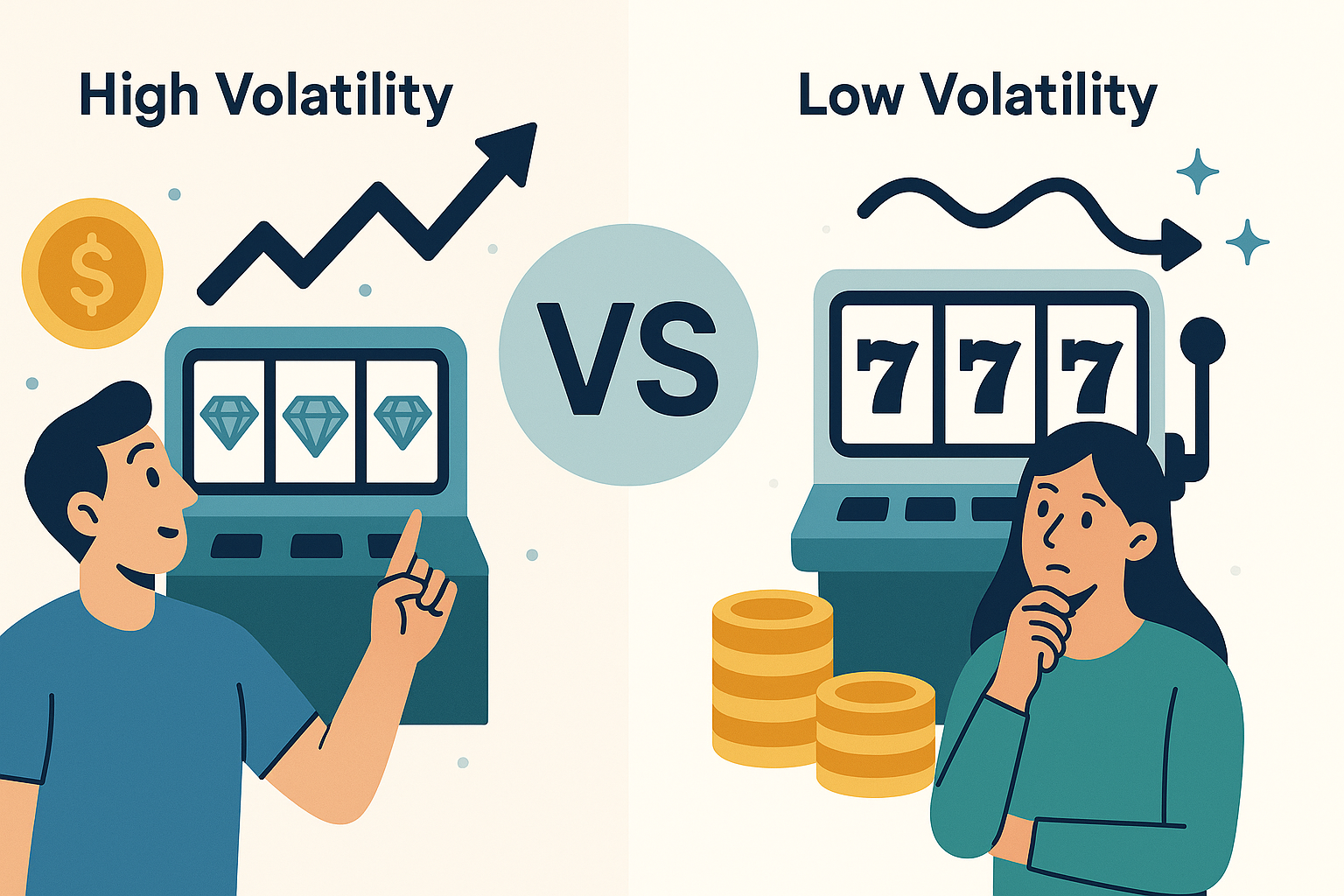
Understanding Slot Volatility: A Comparison for Beginners
When starting out with slot games, you will encounter the term "volatility" or "variance." This concept describes the risk level associated with a particular game and affects how frequently wins occur and their typical size. Understanding the difference between high and low volatility slots can help beginners make informed choices about which games suit their preferences and playing style.
What Is Slot Volatility?
Volatility refers to the level of risk inherent in a slot game's payout structure. It determines the pattern of wins over time, though it does not affect the overall return to player (RTP) percentage. A game can have the same RTP as another but deliver winnings in completely different patterns.
Low volatility slots provide frequent but smaller wins, while high volatility slots offer larger payouts that occur less often. Medium volatility games fall somewhere between these two extremes. Most online slots include volatility information in their paytables or game descriptions.
Characteristics of Low Volatility Slots
Low volatility games are designed to produce regular wins, though the amounts are typically modest compared to your bet size. These games suit players who prefer extended playing sessions with steady activity.
Key Features
- Wins occur frequently, sometimes on multiple consecutive spins
- Individual payouts are generally smaller relative to your stake
- Your bankroll decreases more gradually during losing streaks
- Bonus features may trigger more often but with moderate rewards
- The gaming experience feels more consistent with less dramatic swings
Suitable For
Beginners often find low volatility slots less intimidating because they provide more feedback and action. If you have a limited budget and want to maximize playing time, these games allow you to place more spins before depleting your funds. They also suit players who prioritize entertainment value over chasing large jackpots.
Characteristics of High Volatility Slots
High volatility games feature less frequent wins but offer the potential for substantially larger payouts when wins do occur. These games appeal to players comfortable with risk and longer waits between winning spins.
Key Features
- Wins occur less frequently, with many non-winning spins in between
- Individual payouts can be significantly larger relative to your bet
- Your bankroll can decline rapidly during dry spells
- Bonus features may be harder to trigger but often more rewarding
- The gaming experience involves greater fluctuation in balance
Suitable For
High volatility slots require patience and a larger bankroll to withstand losing periods. They suit players who enjoy the anticipation of potentially significant wins and can accept that they may lose their entire session budget without hitting a major payout. These games are not typically recommended for complete beginners with small budgets.
Practical Considerations for Beginners
Bankroll Management
Your choice between high and low volatility should align with your available budget. As a general guideline, low volatility games allow you to play with smaller amounts since your funds will last longer. For high volatility games, consider having at least 100-200 times your base bet available to give yourself a reasonable chance of experiencing the game's full potential.
Playing Time Goals
Consider how long you want each gaming session to last. If you have 30 minutes and want continuous engagement, low volatility games provide more consistent activity. If you prefer shorter sessions with the possibility of a quick significant win, high volatility games might appeal more, though outcomes remain unpredictable.
Testing Before Committing
Many platforms offer demo versions of slot games. Use these free-play modes to experience how different volatility levels feel in practice before wagering real money. This hands-on experience helps you understand which style suits your temperament.
Common Misconceptions
Some beginners mistakenly believe that high volatility slots are "due" for a payout after a long losing streak, or that low volatility games cannot produce significant wins. In reality, each spin remains independent, and randomness governs outcomes regardless of volatility level. Low volatility games can occasionally deliver large wins, and high volatility games may produce clusters of wins followed by extended dry periods.
Another misconception involves confusing volatility with RTP. A high volatility game with 96% RTP and a low volatility game with the same RTP will theoretically return the same percentage over time, but the journey to that average will differ dramatically.
Making Your Choice
There is no objectively "better" option between high and low volatility slots. Your preference depends on personal factors including risk tolerance, budget size, and what you find entertaining. Many experienced players enjoy both types depending on their mood and circumstances.
As a beginner, starting with low to medium volatility games often provides a gentler introduction to slot mechanics and bankroll management. You can gradually explore higher volatility options as you become more comfortable with how these games function.
Responsible Gaming Considerations
Regardless of volatility preference, always set strict limits on spending and time before beginning any session. Slot games are designed for entertainment, and the house maintains a mathematical advantage over time. Never wager money you cannot afford to lose, and be aware of local regulations regarding online gaming. Consider self-imposed limits or tools provided by licensed platforms to maintain control over your activity.