
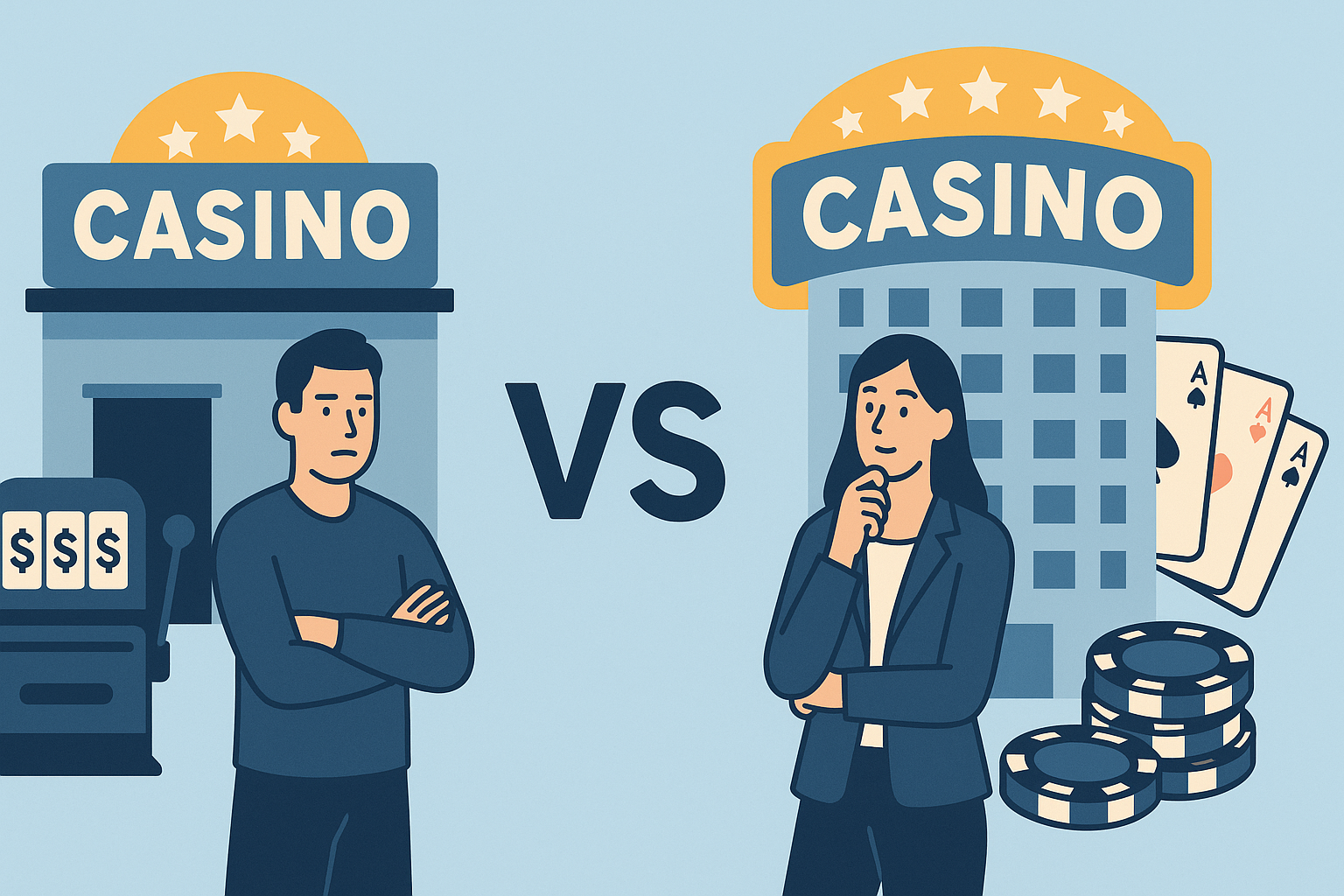
Understanding the Key Differences Between Small Casino Operators and Large Casino Brands
The casino industry encompasses a wide spectrum of operations, from independent venues with a handful of gaming machines to international corporations managing dozens of properties across multiple countries. Recognizing the distinctions between small casino operators and large casino brands can help players, investors, and industry professionals make informed decisions about where to play, work, or conduct business.
Scale of Operations and Geographic Reach
The most obvious difference lies in operational scale. Small casino operators typically manage one to three properties, often serving local or regional markets. These venues might include a single tribal casino, a boutique casino hotel, or an independent gaming establishment. Large casino brands, by contrast, operate extensive portfolios spanning multiple states or countries, with recognizable names like MGM Resorts, Caesars Entertainment, or Crown Resorts managing dozens of properties worldwide.
This geographic footprint affects market presence significantly. Large brands can offer loyalty programs that work across numerous locations, while small operators focus their resources on creating distinct experiences within their limited number of venues.
Financial Resources and Investment Capacity
Financial capabilities differ substantially between these two types of operators. Large casino brands typically have access to:
- Significant capital reserves for property upgrades and expansions
- Credit lines from major financial institutions
- Public market funding through stock offerings
- Resources for acquiring competitors or entering new markets
Small operators work with more limited budgets, which affects their ability to renovate facilities, adopt new technologies, or weather economic downturns. However, this constraint sometimes leads to creative solutions and more efficient resource allocation.
Customer Experience and Personalization
The customer experience often differs markedly between small and large operations. Small casino operators frequently provide:
- More personalized service, with staff recognizing regular customers
- Direct access to management for feedback or concerns
- Flexibility in accommodating special requests
- A community-focused atmosphere with local character
Large casino brands emphasize consistency across properties, standardized service protocols, and sophisticated customer relationship management systems. While this ensures a predictable experience regardless of location, it may feel less personal to individual guests.
Technology and Innovation Adoption
Large casino brands typically lead in technology implementation. They invest in advanced slot management systems, cashless gaming platforms, mobile applications, and data analytics infrastructure. These organizations have dedicated IT departments and partnerships with major technology providers.
Small operators may lag in technology adoption due to cost constraints, but they can be more agile in testing new concepts. Without layers of corporate approval, a small casino might quickly implement a local innovation that proves popular with their specific customer base.
Marketing and Promotional Strategies
Marketing approaches reflect different capabilities and audiences. Large casino brands execute:
- National or international advertising campaigns
- Sponsorships of major sporting events and entertainment venues
- Comprehensive digital marketing across multiple platforms
- Sophisticated customer segmentation and targeted offers
Small operators rely more heavily on local advertising, word-of-mouth, community engagement, and regional partnerships. Their marketing budgets represent a smaller percentage of revenue but often achieve strong results within their specific markets.
Regulatory Compliance and Legal Resources
Both small and large operators must comply with gaming regulations, but their approaches differ. Large casino brands maintain in-house legal teams, compliance departments, and government affairs specialists. They actively participate in shaping gaming legislation and have established relationships with regulatory bodies.
Small operators typically work with external legal counsel on an as-needed basis. They must carefully manage compliance costs while ensuring they meet all regulatory requirements. This can create challenges when regulations change or when expanding operations.
Employment Practices and Organizational Culture
Workforce dynamics vary considerably. Large casino brands offer structured career paths, extensive training programs, standardized benefits packages, and opportunities for advancement across multiple properties. Employees may transfer between locations and access corporate resources for professional development.
Small casino operators provide a different employment environment, often characterized by closer relationships between staff and ownership, more varied job responsibilities, and quicker decision-making. Career advancement may be limited within a single property, but employees often gain broader experience across different operational areas.
Risk Management and Business Continuity
Large casino brands benefit from diversification across multiple properties and markets. If one location underperforms due to local economic conditions or competition, other properties can offset losses. They also have sophisticated risk management frameworks and insurance programs.
Small operators face concentrated risk. A single property's performance directly impacts the entire business. Economic downturns, natural disasters, or increased local competition can threaten viability. However, smaller operations may adapt more quickly to changing circumstances without extensive corporate processes.
Making Informed Decisions
Understanding these differences helps stakeholders make appropriate choices. Players seeking consistency and extensive amenities may prefer large brands, while those valuing personalized service and local character might choose smaller operators. Investors should evaluate risk tolerance and growth expectations. Industry professionals should consider which environment aligns with their career goals.
Both small casino operators and large casino brands serve important roles in the gaming industry. Each offers distinct advantages and faces unique challenges, contributing to a diverse marketplace that serves varied customer preferences and community needs.